Five Steps to Healing Your Inner Child and Embracing Emotional Freedom
Healing the inner child is a profound journey of self-discovery and emotional liberation, especially for Black women navigating societal pressures and historical trauma. Often, our adult experiences are shaped by the unhealed parts of our childhood—the fears, the wounds, and the unmet needs that remain tucked away in the deepest parts of our psyche. Learning to heal these inner wounds can lead to emotional freedom, allowing us to embrace joy, authenticity, and personal growth.
For Black women, this healing process is often compounded by societal narratives, such as the "strong Black woman" stereotype. This idea, while rooted in resilience, can unintentionally suppress vulnerability, leaving little room for emotional exploration. By following these five steps, you can begin to unlock your emotional freedom and rediscover the joy and fulfillment that may have felt lost along the way.
1. Acknowledge and Validate Your Inner Child’s Wounds
The first and most crucial step in healing your inner child is to acknowledge the pain or trauma you experienced. Often, childhood wounds are not fully processed, and as adults, we carry the emotional residue of these experiences. Ignoring or dismissing these feelings can manifest as anxiety, anger, or emotional distance in adulthood. Recognizing that your inner child exists and that they have experienced pain is the foundation of healing.
A powerful way to begin this process is through meditation or visualization exercises. Close your eyes, take a few deep breaths, and picture yourself as a child. Notice how they feel—are they sad, scared, or anxious? Ask them what they need from you. Just like any child, your inner child craves attention and validation.
2. Practice Self-Compassion and Kindness
Once you’ve acknowledged the presence of your inner child, the next step is to extend compassion and kindness toward yourself. The inner child carries the burden of unmet needs—perhaps you felt unseen, unloved, or unsupported as a child. As an adult, it is now your responsibility to give yourself the love and care that you needed back then.
Self-compassion involves being gentle with yourself when old emotions surface. Many Black women, conditioned by the pressures of society to be "strong" at all times, may find it challenging to embrace vulnerability. But the journey to healing requires gentleness. Speak to yourself the way you would comfort a scared or hurt child: with warmth, patience, and understanding.
3. Reconnect with Playfulness and Joy
Our inner child is not only the keeper of our wounds but also the source of our most authentic joy and creativity. As children, many of us were in tune with activities that made us feel alive, whether it was drawing, dancing, playing sports, or daydreaming. However, adulthood, with its pressures and responsibilities, often robs us of this sense of playfulness.
To heal your inner child, it’s essential to reconnect with the joyful, playful aspects of your younger self. Ask yourself, “What did I love doing as a child?” Maybe it was reading fantastical stories, running around outside, or building imaginary worlds. Reintroducing these activities into your life can serve as a form of emotional liberation. Allow yourself to play and have fun without the fear of judgment or the need for perfection.
4. Reflect and Journal to Process Emotions
Reflection is an essential part of healing, and one of the most effective ways to process your emotions is through journaling. Writing gives you the space to express your feelings without fear of being judged or misunderstood. When you journal, you give yourself the opportunity to explore the depths of your emotions, and you may uncover thoughts and feelings that were previously hidden.
Start by writing about your childhood experiences—both the good and the bad. What were some of the happiest moments you remember? What were some of the most painful? Try to notice any recurring themes. Perhaps you often felt dismissed or unheard, or maybe you struggled with feelings of inadequacy. Whatever comes up, allow yourself to sit with it.
5. Build a Supportive Community
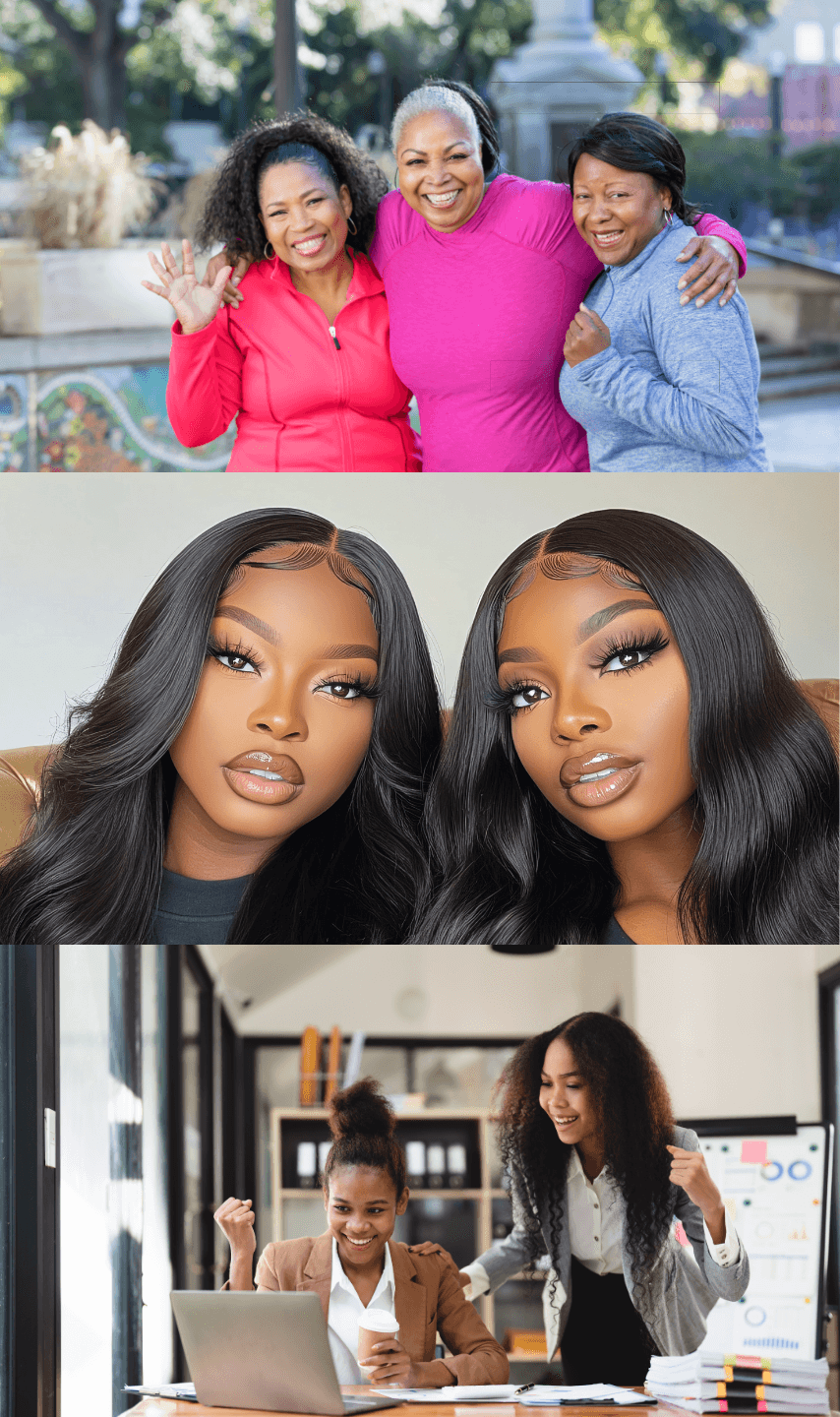
Healing does not happen in isolation. Surrounding yourself with supportive, understanding individuals can greatly enhance your journey. A community—whether it’s close friends, a support group, or a therapist—can provide the validation and encouragement you need to continue on this path. It’s important to be around people who allow you to express vulnerability without judgment, and who honor your journey toward emotional freedom.
Many Black women are accustomed to carrying burdens alone, often feeling that seeking help is a sign of weakness. However, it’s crucial to realize that true strength lies in knowing when to lean on others for support. Finding safe spaces to share your experiences can accelerate your healing process and provide comfort when the journey feels overwhelming.
Healing your inner child and embracing emotional freedom is a journey that requires time, patience, and self-love. By acknowledging your wounds, practicing self-compassion, reconnecting with joy, reflecting on your experiences, and building a supportive community, you can begin to heal and unlock your fullest potential.
Victoria Anderson’s More Than Your Traumaoffers a valuable guide to navigating this process, providing insights and tools specifically tailored to the unique challenges Black women face. As you embark on your journey, remember that you are more than your trauma—you are resilient, worthy, and deserving of peace.
Lorem ipsum dolor sit amet, consectetur adipisicing elit. Autem dolore, alias, numquam enim ab voluptate id quam harum ducimus cupiditate similique quisquam et deserunt, recusandae.
Subscribe Now
Join our newsletter to stay up to date with BWA news and events.
Subscribe to recieve the latest issue of BWA Magazine each month.
BWA
BWA Magazine proudly celebrates the profound impact of Black women authors, whose voices resonate across generations, continents, and cultures.
Subscribe Now
Join our free email list to stay up to date with BWA news and events.
Subscribe to recieve the latest issue of BWA Magazine each month.
BWA Magazine proudly celebrates the profound impact of Black women authors, whose voices resonate across generations, continents, and cultures.

CONTACT
BWA Magazine
paulette@BWAmagazine.com